How Coffee Is Roasted: a Detailed Guide
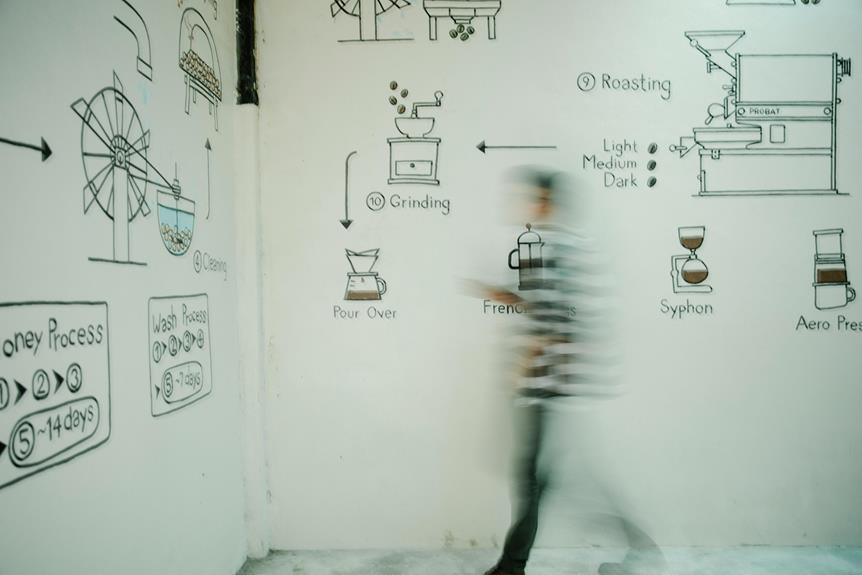
As we explore the intricate world of coffee roasting, we can appreciate how green coffee beans undergo a remarkable transformation. This process involves not just heat, but a series of carefully controlled steps that reveal the beans' hidden potential. From the equipment we choose to the precise roasting times, every decision shapes the final flavor profile. Understanding these elements is essential if we wish to craft the perfect cup. So, what exactly happens during roasting that brings out such diverse flavors? Let's uncover the journey from bean to brew.
The Journey of Coffee Beans
The journey of coffee beans begins in lush, mountainous regions where coffee plants thrive, nurtured by rich soil and a perfect climate.
Through careful bean sourcing and sustainable agricultural practices, we address pressing sustainability issues.
As we explore diverse regional varieties and processing methods, we shape unique flavor profiles, responding to harvest seasons and market trends that align with evolving consumer preferences and cherished roasting traditions.
Understanding Green Coffee Beans
Green coffee beans, the raw seeds harvested from coffee cherries, are essential to the roasting process.
Their green bean origins influence processing methods and varietal differences, affecting quality assessment.
By focusing on sustainable sourcing, we can guarantee that diverse flavor profiles emerge during roasting.
Understanding these factors allows us to appreciate the complexity and potential of each batch, enhancing our coffee experience.
Roasting Equipment Overview
As we explore roasting equipment, we'll examine the diverse types of roasters that shape our coffee experience.
Understanding temperature control methods and the factors influencing roasting time is essential for achieving the perfect roast.
Each piece of equipment plays an important role in transforming green beans into the aromatic brew we cherish.
Types of Roasters
When it comes to roasting coffee, choosing the right equipment is essential for achieving the perfect flavor profile.
We've drum roasters for consistent heat, air roasters for lighter profiles, and hybrid roasters that combine both methods.
For commercial roasters, efficiency is key, while home roasters allow for personal experimentation.
Specialty roasters focus on quality, bringing unique flavors to life with precision.
Temperature Control Methods
Mastering temperature control methods is essential for achieving the desired roast profile in coffee.
We utilize infrared roasting for precise heat transfer, enhancing thermal conductivity.
Conductive heating fosters direct contact, while convection roasting circulates hot air, ensuring even roast development.
Roasting Time Factors
Roasting time is a critical factor that directly influences the flavor and aroma of coffee, and understanding the equipment we use is essential for achieving our desired outcomes.
Here are some key elements we must consider:
- Humidity levels impact moisture retention.
- Bean origin affects flavor nuances.
- The roasting environment shapes our roast profile.
The Roasting Process Explained
At the heart of crafting the perfect cup of coffee lies the intricate roasting process, where green coffee beans undergo a remarkable transformation.
We shatter roasting myths as we heat these beans, initiating chemical reactions that release complex flavors.
Through precise temperature control, we engage in flavor profiling, ensuring each roast reveals the unique characteristics inherent in the beans, elevating our coffee experience.
Key Roast Levels
Understanding the key roast levels is essential for anyone passionate about coffee.
Each roast profile not only influences the roast color but also the flavor notes and aroma profile we adore.
- Light roast: Bright acidity, higher caffeine levels
- Medium roast: Balanced flavor, versatile brewing methods
- Dark roast: Rich body, deep roast development
Exploring these levels enhances our appreciation of coffee's complexity!
Impact of Roasting Time
As we explore the impact of roasting time, we can truly appreciate how it intricately shapes flavor development, aroma, and acidity.
Each moment in the roaster alters the beans, revealing complex profiles that define our beloved brews.
Understanding this process allows us to craft coffee that not only excites our senses but also elevates our overall experience.
Flavor Development Process
During the roasting process, time plays an essential role in developing the complex flavors of coffee.
As we carefully monitor the roast, we witness the transformation of flavor compounds and aroma profiles, creating a symphony of taste:
- Rich, chocolate undertones
- Bright, fruity notes
- Earthy, nutty richness
Each moment counts, revealing the full potential of our beloved coffee, enticing our senses with every sip.
Aroma and Acidity Changes
The interplay of aroma and acidity in coffee transforms dramatically throughout the roasting process. As we roast, aroma compounds evolve, influencing the acidity balance. Each phase brings unique characteristics that define our coffee's final profile.
| Roasting Time | Aroma Compounds | Acidity Balance |
|---|---|---|
| Light | Fruity, floral | Bright, vibrant |
| Medium | Nutty, caramel | Balanced |
| Dark | Smoky, chocolate | Mellow, less acidic |
The Science of Flavor Development
Coffee roasting consistently transforms green beans into aromatic treasures, revealing a complex tapestry of flavors that captivate our senses.
Through meticulous roasting chemistry, we reveal flavor compounds that shape taste perception. We endeavor for roast consistency to achieve flavor balance, while considering bean origin and aroma profiling in our sensory evaluation.
- The allure of unique flavor profiles
- The harmony of balanced taste
- The excitement of discovery in every cup
Cooling and Storing Roasted Coffee
Once we've roasted our coffee, the cooling process is vital to lock in those rich flavors we've worked so hard to develop.
Proper storage practices are essential to maintain freshness and prevent deterioration, ensuring each cup we brew continues to delight our taste buds.
Let's explore the factors that influence how long our beloved beans retain their peak freshness.
Importance of Cooling
Cooling roasted coffee beans is a crucial step that we can't overlook if we want to preserve their unique flavors and aromas.
Effective cooling methods and specialized cooling equipment rapidly reduce temperature, preventing the loss of essential oils.
- It locks in that fresh, vibrant taste.
- It enhances the complex aroma profile.
- It guarantees consistency in every brew.
Best Storage Practices
After effectively cooling our roasted coffee beans, the next step is to store them properly to maintain their quality. We should focus on ideal containers that guarantee humidity control and temperature stability, while minimizing light exposure. Vacuum sealing is vital for long-term storage, enhancing flavor preservation and slowing coffee aging. Let's look at the best practices:
| Storage Method | Benefits |
|---|---|
| Vacuum Sealing | Flavor preservation, humidity control |
| Airtight Jars | Temperature stability, light protection |
| Mylar Bags | Long-term storage, freshness indicators |
Freshness Duration Factors
The freshness of our roasted coffee hinges on several essential factors during the cooling and storing processes.
To guarantee peak freshness preservation and minimize flavor deterioration, we must consider:
- Proper cooling techniques to prevent moisture buildup
- Airtight storage to block oxygen exposure
- Ideal temperature settings to maintain aroma
Common Roasting Techniques
When we plunge into the world of coffee roasting, we uncover a variety of techniques that bring out distinct flavors and aromas.
Light roasting highlights delicate notes, while medium roasting balances acidity and sweetness.
Dark roasting offers bold richness, perfect for espresso roasting.
Flavored and single origin roasting showcase unique profiles, and batch roasting promotes consistency, all while embracing sustainable practices for a brighter coffee future.
Crafting Signature Coffee Blends
Creating signature coffee blends is an art that allows us to explore the depths of flavor and aroma, marrying beans from diverse origins to craft something truly unique.
Through blend experimentation, we develop signature profiles that excite the palate.
- Harmonious flavor combinations
- Rich, aromatic experiences
- A journey for the senses
Let's elevate our coffee experience together!
Conclusion
As we've explored the intricate journey of coffee from green beans to the perfect roast, it's clear that every step is essential in crafting the flavors we cherish. Each roasting technique and equipment choice shapes the coffee's character, revealing its potential. By understanding the science behind these processes, we can appreciate the artistry involved in coffee roasting. Let's continue to experiment and savor the diverse world of coffee, celebrating the passion and precision that goes into every cup we enjoy.