Coffee Maker Vs Espresso Machine: an In-Depth Comparison

When we consider the differences between coffee makers and espresso machines, it's clear that each serves unique purposes and preferences. Coffee makers offer a straightforward, user-friendly experience, while espresso machines bring a level of intricacy that appeals to enthusiasts. As we explore their brewing methods, taste profiles, and maintenance needs, we'll uncover how these appliances cater to varied lifestyles and palates. But which one truly fits your daily routine and coffee cravings? Let's unpack the details to find out.
Overview of Coffee Makers
When we explore the world of coffee makers, it's clear that these machines are designed to simplify the brewing process while delivering a satisfying cup of coffee.
Understanding different coffee bean types is essential, as they thrive at specific brewing temperatures.
Overview of Espresso Machines
When we consider espresso machines, we encounter various types, each designed to meet specific brewing needs.
Understanding the key features of these machines is essential for making an informed choice that aligns with our coffee preferences.
Let's explore the different categories and functionalities that define espresso machines.
Types of Espresso Machines
Espresso machines come in various types, each designed to cater to different brewing techniques and user preferences. We can choose from manual espresso, automatic espresso, single serve machines, commercial espresso, portable espresso, stovetop espresso, entry level machines, and professional machines. Each type has unique features that influence our coffee experience.
| Type | Description |
|---|---|
| Manual Espresso | Hands-on, skill-based |
| Automatic Espresso | Convenience-focused |
| Single Serve Machines | Quick, easy servings |
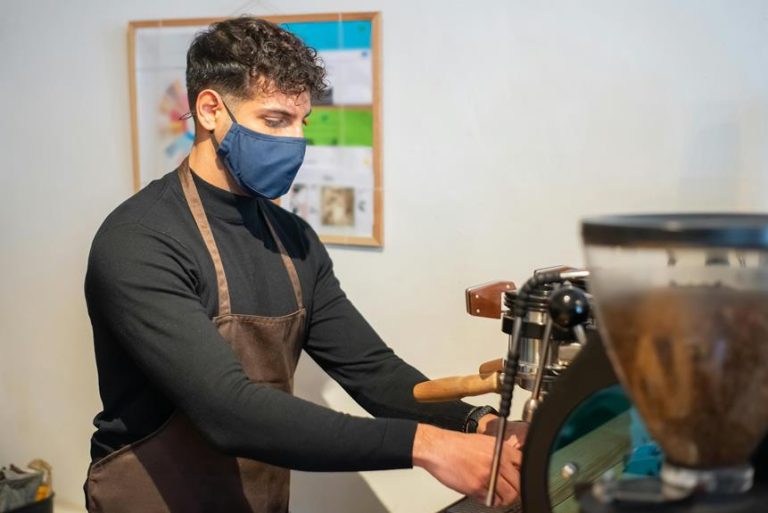
| Commercial Espresso | High-volume, barista-grade |
Key Features Explained
Understanding the key features of espresso machines is essential for making an informed choice.
We should consider brewing capacity, which affects how many shots we can pull in one go, and the overall user experience, including ease of use and maintenance.
Brewing Methods Compared
Brewing coffee and espresso involves distinct methods that greatly influence the final beverage's flavor, strength, and aroma.
Let's compare the two techniques:
- Drip Brewing: Utilizes gravity to extract flavors over a longer time, producing a milder brew.
- Espresso Extraction: Forces hot water through finely-ground coffee quickly, yielding a concentrated shot.
- Brewing Time: Drip brewing takes several minutes, while espresso extraction occurs in about 25-30 seconds.
Taste and Flavor Profiles
When we compare the brewing methods of coffee makers and espresso machines, we notice distinct differences in taste and flavor profiles.
Coffee makers typically produce a smoother, more uniform flavor, while espresso machines extract a concentrated shot that highlights complex flavor notes.
Understanding these differences helps us appreciate the unique characteristics each method brings to our cup.
Brewing Methods Explained
Often, we find ourselves comparing the distinct taste and flavor profiles produced by coffee makers and espresso machines.
The brewing techniques and methods greatly impact coffee extraction, leading to varied results.
Here are three key factors to reflect on:
- Brewing time influences strength and bitterness.
- Water temperature affects extraction efficiency.
- Grind size alters flavor intensity.
Understanding these elements helps us appreciate our coffee choices.
Flavor Complexity Differences
The taste and flavor profiles of coffee made with a coffee maker and those produced by an espresso machine reveal significant differences rooted in their brewing methods.
Espresso typically showcases higher aroma intensity and balanced acidity levels due to its shorter brewing time and precise extraction process.
In contrast, coffee makers rely on coarser grind size and less rigorous temperature control, affecting flavor balance and bean selection.
Cost and Budget Considerations
In evaluating our options between a coffee maker and an espresso machine, cost and budget considerations play an essential role in the decision-making process.
We should consider the following:
- Initial investment: Coffee makers generally cost less upfront.
- Long term costs: Espresso machines may require more expensive coffee beans.
- Accessories: Budget for additional tools, like grinders or milk frothers, with espresso machines.
Maintenance and Cleaning
When it comes to maintenance and cleaning, espresso machines typically demand more attention compared to standard coffee makers.
We should establish a cleaning frequency that aligns with our usage; daily cleaning of components like the portafilter is crucial.
Regular descaling and using specific cleaning solutions are essential maintenance tips to guarantee peak performance and longevity of the machine, preventing any buildup that can affect taste.
Ideal Use Cases
Proper maintenance guarantees that both coffee makers and espresso machines perform at their best, but their ideal use cases differ considerably.
Here are some key scenarios where each excels:
- Home Use: Coffee makers are perfect for ease of use and brewing speed.
- Professional Settings: Espresso machines shine with their beverage variety and flavor preferences.
- Portability Options: Some coffee makers offer better portability for on-the-go brewing experiences.
Conclusion
To sum up, choosing between a coffee maker and an espresso machine ultimately hinges on our brewing preferences and lifestyle. Coffee makers provide convenience and consistency for our daily rituals, while espresso machines cater to our desire for complexity and intensity in flavor. By understanding the differences in brewing methods, taste profiles, and maintenance needs, we can make an informed decision that aligns with our individual requirements, ensuring our coffee experience is both satisfying and enjoyable.