25 Espresso Myths You Need to Stop Believing
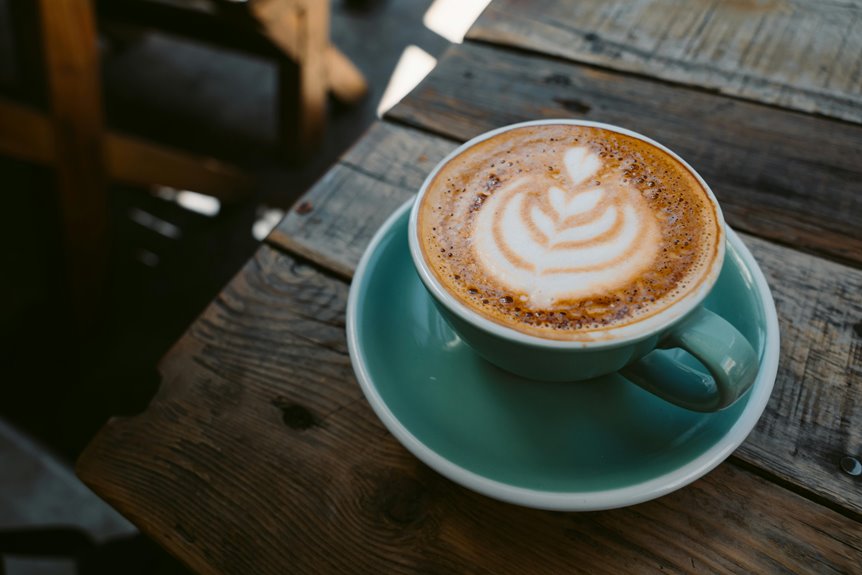
You’ve probably heard a lot of claims about espresso that just aren’t true. Maybe you think all espresso is bitter or that you need an expensive machine to make it right. These misconceptions can lead you to miss out on the true essence of espresso. By clarifying these myths, you’ll gain a deeper understanding of this beloved brewing method and appreciate its versatility like never before. Let’s unpack some of these myths together.
Espresso Is Just Stronger Coffee
While many people believe espresso is simply a stronger version of regular coffee, this misconception overlooks the unique brewing process and flavor profile that set it apart.
Espresso’s rich, complex flavors come from finely ground beans brewed under pressure, creating a concentrated shot.
Understanding espresso brewing myths helps you appreciate its distinct taste, which offers an array of espresso flavor profiles unlike any regular coffee.
Espresso Has More Caffeine Than Regular Coffee
You might think that espresso packs a bigger caffeine punch than regular coffee, but it really depends on how you compare them.
When you look at caffeine content per ounce, espresso has more, but those small servings mean you’re consuming less overall caffeine in a shot than in a full cup of coffee.
Understanding these differences can help you make smarter choices about your caffeine intake.
Serving Size Comparison
Many coffee enthusiasts believe that espresso contains more caffeine than regular coffee.
While it’s true that espresso has a higher caffeine concentration per ounce, the serving sizes tell a different story. A typical espresso shot is about 1 ounce, whereas a regular coffee serving is usually 8 ounces or more.
Caffeine Content Per Ounce
When comparing the caffeine content per ounce, espresso clearly takes the lead.
While a standard cup of coffee may deliver more caffeine overall, espresso’s concentrated caffeine extraction means it has markedly higher levels per ounce.
In espresso comparisons, you’ll find that this small shot packs a powerful punch, making it a popular choice for those seeking a quick caffeine boost.
All Espresso Is Bitter
Not all espresso is bitter, and several factors influence its flavor profile.
Your brewing technique, the quality of the beans you choose, and the freshness of those beans can dramatically alter your espresso’s taste.
Brewing Technique Matters
Although some may believe that all espresso is inherently bitter, the truth lies in the brewing technique you choose.
Different brewing methods and extraction techniques can greatly impact flavor. If you over-extract, you’ll end up with a harsh taste.
Conversely, proper techniques can enhance the sweetness and complexity of your espresso, proving that bitterness isn’t a given—it’s a result of how you brew.
Bean Quality Affects Flavor
While many people assume that all espresso is bitter, the truth is that bean quality plays a crucial role in determining flavor.
Proper bean sourcing guarantees you get high-quality beans, which greatly impacts the taste. Additionally, different roast profiles can enhance or diminish bitterness, allowing for a range of flavors.
Freshness Enhances Taste
When you brew espresso with fresh beans, you’re revealing a world of flavor that often gets overshadowed by the common misconception that all espresso is bitter.
Fresh coffee dramatically enhances the flavor impact, allowing notes of sweetness and complexity to shine through.
You Need a Fancy Machine to Make Good Espresso
Many coffee enthusiasts believe that brewing excellent espresso requires an expensive, high-end machine, but this isn’t necessarily true.
With the right techniques, you can enjoy great espresso at home using budget options. Focus on the quality of your coffee beans, grind size, and brewing method.
Investing time in home brewing can yield impressive results without breaking the bank.
Espresso Shots Should Be Served in Small Cups
A common belief among coffee lovers is that espresso shots should always be served in small cups, but this notion deserves a closer look. Different espresso cup sizes can enhance your experience, accommodating various serving styles. Consider the following table for a clear comparison:
| Cup Size | Volume | Best For |
|---|---|---|
| Small | 1-2 oz | Traditional shots |
| Medium | 3-4 oz | Lattes & Macchiatos |
| Large | 5 oz+ | Specialty drinks |
Darker Roasts Are Better for Espresso
While some coffee aficionados believe that darker roasts are the gold standard for espresso, this perspective overlooks the nuanced flavors and complexities that lighter roasts can offer.
Darker roast advantages, like boldness and low acidity, can be appealing, but they often mask the delicate flavor complexity of lighter beans.
Exploring various roast levels can enhance your espresso experience, revealing unexpected taste profiles.
Espresso Is Only for Coffee Snobs
Espresso often gets a reputation as an exclusive drink for coffee snobs, but that couldn’t be further from the truth.
With its growing espresso accessibility, anyone can enjoy this rich beverage.
It’s about espresso appreciation, not elitism.
Embracing its diverse flavors and preparation methods can transform your coffee experience, making it enjoyable for everyone, no matter your background or expertise.
You Can’T Make Espresso Without a Pressurized Machine
Many coffee enthusiasts believe you can’t make espresso without a pressurized machine, but that’s not entirely true.
You can enjoy a rich shot of manual espresso using alternatives like an AeroPress or a Moka pot.
These methods involve different techniques and pressure levels, yet they can produce a satisfying espresso-like experience.
Don’t underestimate the art of alternative brewing; it can surprise you!
Espresso Should Be Consumed Immediately After Brewing
When you brew a shot of espresso, the clock starts ticking on its ideal flavor and aroma.
While espresso timing is important, it doesn’t mean you have to down it immediately. Allowing a brief moment for flavor development can enhance your experience.
Just be mindful; letting it sit too long will diminish those rich, complex notes you crave.
Enjoy your espresso, but don’t stress!
The Crema on Top of Espresso Is Just Foam
While it might be tempting to dismiss the crema on top of your espresso as mere foam, this rich layer actually plays a crucial role in your coffee experience.
The crema composition includes oils, proteins, and gases that enhance aroma and flavor.
Understanding this dispels espresso myths and highlights the importance of crema, elevating your appreciation for each cup you enjoy.
Espresso Is a Type of Coffee Bean
Many people think espresso is a specific type of coffee bean, but that’s not quite right.
Instead, it’s more about the brewing method and the roast levels used to create that rich, concentrated shot you enjoy.
Let’s explore how these factors contribute to the espresso experience and clarify this common misconception.
Espresso Bean Misconception
What if you’ve been misled into thinking that espresso is a specific type of coffee bean?
In reality, espresso refers to a brewing method, not a bean type.
Espresso bean origins can vary, with numerous espresso bean varieties available, such as Arabica and Robusta.
Each variety contributes unique flavors, making your espresso experience rich and diverse, regardless of the bean’s origin.
Brewing Method Differences
Espresso is often mistakenly thought of as a specific type of coffee bean, but that misconception overlooks the nuances of brewing methods.
The truth is, espresso refers to a brewing method that uses high pressure for extraction. Different brewing techniques, like pour-over or French press, yield distinct flavors and characteristics, emphasizing that it’s the process, not just the bean, that defines your coffee experience.
Roast Levels Explained
While some coffee enthusiasts may believe that espresso is a specific type of coffee bean, the reality is more nuanced and revolves around roast levels.
Understanding these can enhance your espresso experience:
- Light Roast: Bright acidity, fruity notes.
- Medium Roast: Balanced flavor profiles, moderate acidity.
- Dark Roast: Bold, rich taste, lower acidity.
- Roasting Process: Affects taste differences and brewing methods.
Explore these levels to discover your ideal espresso!
You Can’T Make Espresso With a French Press
Though you might think of a French press as a versatile brewing tool, it simply can’t produce true espresso.
The process requires high pressure, which the French press lacks. While you can create a rich coffee using this method, calling it “French press espresso” is misleading.
For authentic espresso, consider alternative brewing methods like an espresso machine or AeroPress to achieve that signature shot.
Espresso Is Only Enjoyed in Italy
You might think espresso is solely an Italian delight, but that’s far from the truth.
Around the globe, coffee lovers have embraced espresso, each adding their unique twist to this classic brew.
From espresso bars in Melbourne to bustling cafés in New York, the rich flavors and bold experience of espresso resonate with diverse cultures.
Global Coffee Culture
Although many people associate espresso solely with Italy, this rich coffee culture has permeated the globe, enchanting taste buds from New York to Tokyo.
Here are some coffee traditions highlighting its cultural significance:
- Espresso bars thrive in urban centers.
- Specialty coffee shops innovate with flavors.
- Traditional ceremonies celebrate coffee in Ethiopia.
- Global competitions elevate brewing skills.
Espresso’s influence transcends borders, uniting coffee lovers worldwide.
Diverse Brewing Preferences
Espresso’s journey from Italian cafes to coffee lovers around the world showcases its versatility and adaptability. Today, you can explore various flavor profiles and brewing methods, proving espresso transcends cultural boundaries.
| Brewing Method | Flavor Profile |
|---|---|
| Italian | Rich, bold |
| American | Milder, smoother |
| Spanish | Sweet, nutty |
| Australian | Creamy, balanced |
| Japanese | Delicate, floral |
Espresso Around the World
While many people might think espresso is solely an Italian delight, this rich coffee experience has found its way into cafes and homes across the globe.
Here are some global variations and espresso traditions you should know:
- Café Cubano – Sweetened espresso from Cuba.
- Affogato – Espresso over ice cream, popular in Italy.
- Café Bombón – Espresso with condensed milk, popular in Spain.
- Ristretto – A shorter, more concentrated shot, enjoyed in Switzerland.
You Need to Tamp Espresso Grounds Very Hard
Many coffee enthusiasts believe that tamping espresso grounds very hard is essential for a perfect shot, but this misconception can lead to more harm than good.
Proper tamping pressure is vital, but it’s more about even ground distribution than brute force. Over-tamping can create channeling, resulting in uneven extraction.
A gentle, consistent touch often yields the best espresso flavor and crema.
Espresso Shots Should Always Be Double
When it comes to espresso, you might think double shots are the only way to go, but that’s not always the case.
Single shots can offer a different flavor profile and brewing experience that some coffee enthusiasts swear by.
Understanding the nuances between single and double shots can really enhance your espresso journey.
Single vs. Double Shots
Espresso shots come in two main varieties: single and double, but double shots have become the gold standard for a reason.
Consider these points:
- More Flavor: Double shots extract richer flavors.
- Stronger Caffeine: You get more caffeine boost.
- Consistency: Double shots offer a more uniform brew.
- Versatility: They work better in various drinks.
While single shot benefits exist, double shot advantages often outweigh them.
Brewing Style Variations
Although some may argue for the charm of single shots, brewing styles that prioritize double shots consistently deliver a superior experience. Double shots enhance flavor profiles and showcase diverse brewing techniques. Here’s a quick comparison to contemplate:
| Brewing Technique | Flavor Profile |
|---|---|
| Single Shot | Lighter, nuanced |
| Double Shot | Richer, more intense |
| Ristretto | Sweet, concentrated |
| Lungo | Milder, elongated |
Opt for doubles to elevate your espresso journey!
A Longer Extraction Time Means a Better Shot
While many coffee enthusiasts believe that a longer extraction time guarantees a richer and more flavorful espresso, the reality is far more nuanced.
Consider these factors affecting shot quality:
- Extraction duration: Too long can lead to bitterness.
- Grind size: Influences flow rate.
- Water temperature: Affects extraction balance.
- Coffee freshness: Impacts flavor profile.
Finding the right balance is key for the perfect shot.
Espresso Is Only for Drinks Like Lattes and Cappuccinos
Many people think espresso is just the base for lattes and cappuccinos, but that’s a common misconception.
You can enjoy espresso on its own, savoring its rich flavors and aromas, or use it as a foundation for a variety of drinks.
Plus, its versatility allows you to explore creative recipes that go beyond the traditional espresso drinks you might expect.
Versatile Espresso Applications
Espresso’s rich, bold flavor extends far beyond popular drinks like lattes and cappuccinos.
You can explore its versatility in various applications:
- Espresso cocktails for a unique twist on classic drinks.
- Creative desserts like tiramisu or espresso panna cotta.
- Coffee blends to enhance flavor pairings.
- Unique presentations that elevate your culinary experience.
Get inspired and enjoy espresso in new ways!
Pure Espresso Enjoyment
Isn’t it fascinating how espresso can be mistakenly relegated to just lattes and cappuccinos?
Enjoying pure espresso offers a rich sensory experience, highlighting its bold flavors and aromas. When you sip it straight, you engage with the coffee’s true essence, discovering the nuances that milk can mask.
Embrace pure espresso; it’s more than a base for drinks—it’s a delightful journey for your taste buds.
You Can’T Use Pre-Ground Coffee for Espresso
While some coffee enthusiasts might insist that only freshly ground beans can produce a true espresso, using pre-ground coffee isn’t as dire as it seems.
In fact, consider these points:
- Pre-ground quality can vary greatly.
- Espresso convenience makes it accessible.
- It saves time on busy mornings.
- You can still achieve decent flavor.
Experiment with brands to find what works for you!
Espresso Can Only Be Made With Specific Coffee Blends
Many people believe that espresso can only be made with specific coffee blends, but this notion limits your exploration of flavors and profiles.
In reality, you can use various coffee varieties to create unique espresso experiences. Experimenting with different beans allows you to discover new taste dimensions, breaking free from the confines of traditional espresso blends and inviting creativity into your brewing.
Espresso Is Just a Small Amount of Drip Coffee
Espresso often gets mistaken for just a concentrated shot of drip coffee, but that comparison oversimplifies the complexities involved in brewing it.
Here are key differences between espresso and drip:
- Brewing Pressure: Espresso uses high pressure.
- Grind Size: Espresso requires a finer grind.
- Extraction Time: Espresso brews in about 25 seconds.
- Flavor Profile: Espresso is richer and more intense.
Understanding these coffee brewing methods helps clarify espresso versus drip.
You Should Always Add Sugar to Espresso
When sipping a perfectly brewed shot of espresso, you might hear that adding sugar is a must.
While sugar can enhance espresso sweetness, it’s not essential. Many enjoy the rich, complex flavors without any sweetener.
Plus, sugar alternatives like stevia or monk fruit can offer a different taste experience.
Ultimately, it’s about personal preference—experiment and find what satisfies your palate!
All Espresso Machines Work the Same Way
While it might seem like all espresso machines operate on the same principles, significant differences exist that can impact your brewing experience.
Understanding various espresso machine types can enhance your coffee. Consider these factors:
- Pressure levels
- Heating methods
- Grind size compatibility
- User control
These elements influence your espresso brewing methods, ultimately affecting flavor and quality.
Choose wisely for the best results!
Decaf Espresso Is Not Real Espresso
Many coffee lovers believe that decaf espresso can’t truly be considered espresso, but this notion deserves a closer examination.
Decaf espresso retains the rich, bold flavors associated with traditional espresso, debunking espresso myths. While it may lack some caffeine kick, the decaf flavor still offers an enjoyable experience.
Espresso Has to Be Served Hot
Espresso doesn’t always have to be served hot to deliver an exceptional experience.
Here are four reasons why cold espresso can be just as enjoyable:
- Unique flavor profiles emerge at lower temperatures.
- Cold espresso is invigorating, especially in warmer weather.
- It serves as a base for delicious iced beverages.
- Adjusting espresso temperature can enhance your brewing techniques.
Explore the versatility beyond hot espresso!
You Can’t Enjoy Espresso Without Being a Coffee Expert
You might think that enjoying espresso requires a deep understanding of coffee brewing techniques and flavor profiles, but that’s far from the truth.
Espresso enjoyment is accessible to everyone, regardless of expertise. You can savor its bold flavors and rich aroma without being a coffee expert.
Just find a quality brew, and let your taste buds guide you on this delightful journey.
Final Thoughts
Now that you’ve uncovered the truth behind these espresso myths, you can approach your coffee experience with confidence and curiosity. Remember, it’s not just about strength or fancy machines; it’s about the quality of beans and your technique. Whether you prefer a traditional shot or a decaf option, there’s a world of flavors waiting for you. So, grab your favorite brew, experiment, and enjoy espresso in all its rich, delightful forms without the misconceptions holding you back!