How Many Times Can You Use the Same Coffee Grounds? A Brewing Guide
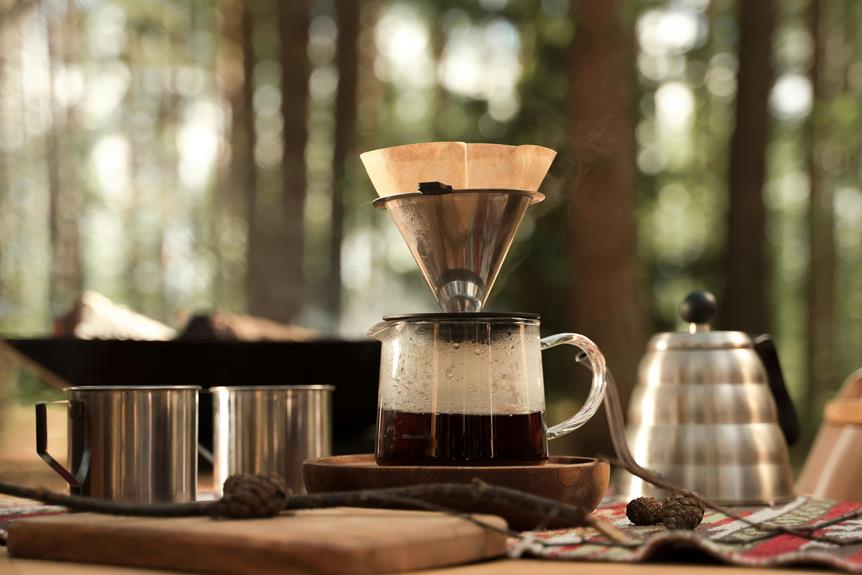
When we think about our morning coffee routine, an interesting question arises: how many times can we actually reuse those coffee grounds? We all appreciate a good cup, but the method we choose affects not only the flavor but also how many brews we can get from the same batch. As we explore the nuances of extraction and brewing techniques, it becomes clear that reusing grounds is both an art and a science. So, how do we balance flavor with sustainability in our coffee habits? Let's uncover the key factors together.
Understanding Coffee Extraction
When we brew our morning cup, understanding coffee extraction becomes essential to achieving the perfect balance of flavors.
The extraction process involves dissolving flavor compounds from coffee grounds into water, influencing taste and aroma. By controlling variables like water temperature and brewing time, we can optimize this process, ensuring we capture the vibrant notes while minimizing any undesirable bitterness.
Factors Affecting Reuse
When we consider reusing coffee grounds, several key factors come into play, such as the type of coffee used, the brewing method, and the flavor extraction rate.
Each of these elements influences how well the grounds can be repurposed for a second brew or other uses.
Type of Coffee
Many factors influence the reuse of coffee grounds, and the type of coffee we choose plays a significant role in this process.
Different coffee varieties exhibit unique flavor profiles, impacting how many times we can effectively reuse them. For instance, lighter roasts may retain more flavor than darker ones after the first brew, enabling us to enjoy multiple cups from a single batch.
Brewing Method
The brewing method we choose greatly impacts how many times we can reuse our coffee grounds. Techniques like cold brew and pour over extract flavors differently, influencing reuse potential.
| Brewing Method | Reuse Potential |
|---|---|
| Cold Brew | 2-3 times |
| Pour Over | 1-2 times |
| French Press | 1-2 times |
| Espresso | 1 time |
| AeroPress | 1 time |
Flavor Extraction Rate
Understanding flavor extraction rates is essential for maximizing the reuse of coffee grounds.
Several factors influence both flavor intensity and extraction efficiency:
- Grind size: Finer grounds extract faster.
- Brew time: Longer times increase extraction.
- Water temperature: Hotter water boosts efficiency.
- Coffee-to-water ratio: More coffee enhances flavor.
Brewing Methods Overview
When exploring the world of coffee brewing, we encounter a variety of methods that can markedly influence the flavor and aroma of our beloved beverage.
Each technique employs unique extraction techniques, affecting how the coffee grounds release their essential oils and compounds.
From French press to espresso, understanding these methods helps us appreciate the nuances in our daily cup of coffee.
Optimal Number of Brews
Finding the ideal number of brews we can extract from coffee grounds is essential for maximizing flavor while minimizing waste.
Typically, we can achieve best results by considering the following:
- First brew: Strongest flavor profile; ideal brew ratio.
- Second brew: Subtle notes emerge; adjust ratios for taste.
- Third brew: Mild flavor; use for lighter drinks.
- Fourth brew: Often too weak; consider discarding.
Tips for Flavor Preservation
Many coffee enthusiasts seek ways to preserve the rich flavors of their brews, and there are several effective strategies we can employ.
Maintaining ideal brewing temperature is essential, as too high a heat can diminish flavor intensity.
Additionally, we should store our coffee grounds in airtight containers to prevent oxidation, ensuring that the natural oils and aromas remain intact for future use.
Creative Uses for Used Grounds
When we think about used coffee grounds, we often overlook their potential beyond just brewing.
These grounds can serve as an effective gardening fertilizer, a natural deodorizer, and even an exfoliant for our skin.
Gardening Fertilizer Alternative
In the domain of sustainable gardening, we can repurpose used coffee grounds as a powerful, natural fertilizer alternative.
The compost benefits of coffee grounds include enhanced nutrient content and improved soil structure.
Here are four ways to utilize them:
- Mix into compost piles.
- Apply directly to garden beds.
- Brew as a liquid fertilizer.
- Use in potted plants.
Natural Deodorizer Solutions
After exploring the benefits of coffee grounds as a natural fertilizer for our gardens, we can also harness their potential in another area: odor control.
Used coffee grounds effectively absorb unpleasant smells, making them excellent eco-friendly solutions for eliminating coffee odor in our kitchens or fridges.
Simply place dry grounds in a bowl, and let them work their magic naturally.
Exfoliant for Skin
Using coffee grounds as a skin exfoliant offers an effective way to rejuvenate our complexion while utilizing a resource that would otherwise go to waste.
The skin benefits are impressive, thanks to coffee properties like antioxidants.
Here are some DIY skincare techniques we can try:
- Simple scrub
- Facial mask
- Cellulite treatment
- Hand exfoliant
These natural remedies enhance our skin's liveliness.
Conclusion
To summarize, we've explored the intriguing world of coffee grounds reuse and how various brewing methods impact extraction. By understanding the best number of brews and adjusting our ratios, we can enjoy a spectrum of flavors while minimizing waste. Whether we're savoring a cold brew or a rich espresso, being mindful of our brewing choices enhances our coffee experience. Let's embrace creativity with used grounds, discovering new ways to enjoy our beloved beverage sustainably.