The History of Coffee: From Bean to Brew
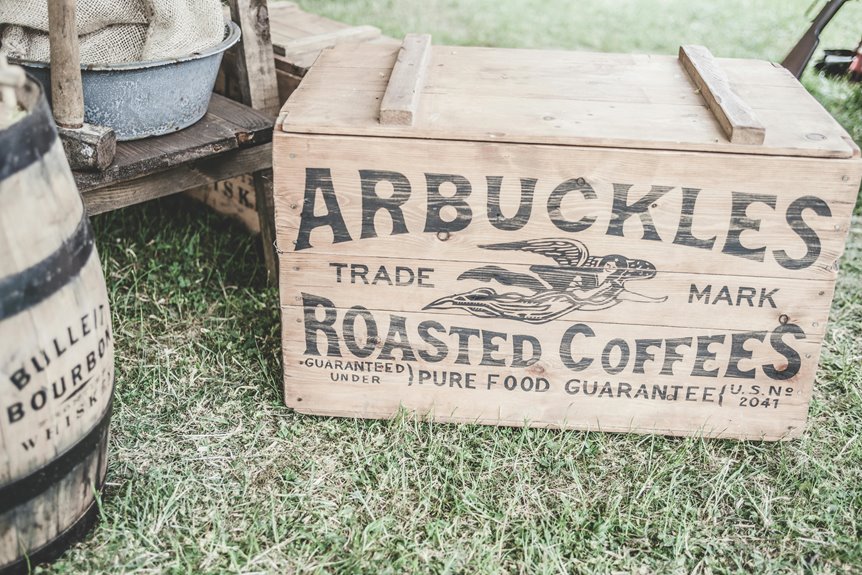
As you explore the rich history of coffee, you’ll uncover its journey from the Ethiopian highlands to global prominence. The tale of Kaldi and his energetic goats sets the stage for coffee’s cultural ascent. You’ll see how this beloved beverage fostered community in 17th-century coffee houses, becoming a catalyst for intellectual discourse. Yet, the story doesn’t end there; it intertwines with economic ambitions and social dynamics that continue to shape our coffee experience today. What lies ahead in this fascinating narrative?
The Origins of Coffee in Ethiopia
Although the precise origins of coffee remain shrouded in legend, Ethiopia is widely recognized as its birthplace.
Ethiopian legends tell tales of a goat herder named Kaldi, who discovered coffee after his goats became energized.
This discovery led to the development of unique coffee rituals, where beans are roasted and brewed in communal gatherings, emphasizing the deep cultural significance coffee holds in Ethiopian society.
The Spread of Coffee Through the Arab World
As you explore the spread of coffee through the Arab world, you’ll notice how its roots in Ethiopia shaped trade routes and cultural exchange.
The journey from its Ethiopian origins to bustling marketplaces in cities like Mecca and Cairo highlights coffee’s growing influence and significance.
Understanding this shift reveals not just a beverage’s journey, but also the interconnectedness of societies during that era.
Coffee’s Origins in Ethiopia
While many people enjoy coffee today, its journey began in the lush highlands of Ethiopia, where legend tells of a goat herder named Kaldi discovering the energizing effects of coffee beans. This discovery led to unique coffee ceremonies, which remain integral to Ethiopian culture, celebrating the drink’s communal and social aspects.
| Aspect | Description |
|---|---|
| Ethiopian Legend | Kaldi’s discovery of coffee beans |
| Coffee Ceremonies | Traditional rituals for brewing |
| Flavor Profile | Rich, floral, and fruity |
| Preparation Method | Roasting, grinding, and brewing |
| Cultural Significance | A symbol of hospitality and unity |
Trade Routes and Influence
After its discovery in Ethiopia, coffee quickly made its way across the Red Sea to the Arab world, where it sparked a cultural revolution.
This coffee trade not only transformed local societies but also laid the groundwork for its global influence.
Key aspects include:
- Establishment of coffee houses
- Economic impact
- Social gatherings
- Cultural exchanges
- Spread of knowledge and ideas
Coffee Houses: The Social Hubs of the 17th Century
In the 17th century, coffee houses emerged as vibrant social hubs that fueled cultural exchange and intellectual discourse.
You’d find people from various backgrounds engaging in lively debates, shaping ideas that influenced society and commerce.
These establishments not only transformed social interactions but also played a critical role in the economic landscape, paving the way for modern trade networks.
Cultural Exchange and Influence
As coffee spread across Europe in the 17th century, coffee houses emerged as vibrant social hubs where ideas flourished and cultures intertwined.
These establishments were pivotal for cultural fusion and global connections, allowing patrons to:
- Share diverse perspectives
- Experience new culinary delights
- Foster artistic collaboration
- Discuss political matters
- Build lasting friendships
In this way, coffee houses shaped societal norms and cultural exchanges.
Intellectual Discussions and Debates
While the aromatic allure of coffee drew patrons into the bustling coffee houses of 17th-century Europe, it was the lively intellectual discussions and debates that transformed these venues into epicenters of enlightenment.
Here, ideas about coffee philosophy flourished, and caffeine ethics emerged as thinkers explored the implications of coffee consumption.
These conversations shaped societal norms, igniting a thirst for knowledge and connection among the curious.
Economic Impact and Trade
The vibrant discussions in 17th-century coffee houses weren’t just about ideas; they also sparked significant economic activity and trade that reshaped societies.
You’d see:
- Flourishing coffee trade routes
- Rise of new merchants
- Job creation in coffee shops
- Boost in local economies
- Increased social mobility
These hubs not only fostered intellectual growth but also demonstrated the profound economic influence coffee had on urban life.
The European Coffee Craze
During the 17th century, coffee transformed from a mysterious exotic beverage into a cultural phenomenon across Europe, enchanting a diverse array of social classes.
You’d witness the rise of coffee rituals in bustling cafés, where intellectuals gathered to exchange ideas.
This burgeoning caffeine culture ignited lively discussions, influencing art and politics, and forever altering social interactions in European society.
Coffee Cultivation and Trade in the New World
In the 18th century, coffee cultivation took root in the New World, reshaping global trade dynamics and agricultural practices.
You’ll find that colonial plantations became central to this growth, influenced by strict trade regulations.
Key aspects include:
- The establishment of coffee as a cash crop
- The rise of slave labor
- Exportation to Europe
- Economic competition
- Environmental impacts
These factors markedly altered coffee’s trajectory.
The Impact of Coffee on Culture and Society
As coffee spread from colonial plantations to European markets, its influence extended far beyond economics, weaving itself into the fabric of daily life and cultural identity.
You’ll find that coffee rituals became central to social gatherings, fostering connections and conversations. This beverage transformed not only how people interacted but also how they expressed hospitality, ultimately shaping societal norms and cultural practices throughout history.
The Invention of the Espresso Machine
Though many coffee enthusiasts appreciate the rich flavors extracted from a well-brewed cup, few realize that the invention of the espresso machine revolutionized coffee-making practices in the early 20th century.
This innovation introduced:
- Faster brewing techniques
- Consistent flavor extraction
- Increased caffeine concentration
- Enhanced crema quality
- A foundation for modern espresso innovations
These advancements transformed how you experience coffee today.
Coffee in the Modern Era: Specialty and Sustainability
While the espresso machine set the stage for coffee’s evolution, today’s coffee culture embraces a new wave focused on specialty brews and sustainable practices.
You’re likely drawn to cafes that highlight unique flavor profiles and ethical sourcing. As consumers demand transparency, roasters are prioritizing direct trade and eco-friendly methods, ensuring that your cup not only tastes good but also contributes to a healthier planet.
The Future of Coffee: Trends and Innovations
The evolution of coffee culture continues to gather momentum, with trends and innovations shaping how you experience your favorite brew.
- Sustainable sourcing practices are on the rise.
- Coffee technology enhances brewing precision.
- Alternative brewing methods gain popularity.
- Plant-based creamers are becoming mainstream.
- Coffee subscriptions provide curated experiences.
As you embrace these changes, coffee education and flavor innovation will deepen your appreciation for this beloved beverage.
Final Thoughts
In tracing the journey of coffee from its Ethiopian roots to today’s specialty brews, you see how this beloved beverage has shaped cultures and societies. Each sip carries centuries of history, innovation, and community. As you explore the evolving landscape of coffee, consider how ethical sourcing and sustainability are redefining your experience. The future holds exciting trends that promise to enhance not just the taste, but also the impact of coffee on our global community.