What Is Coffee Roasting? an Insight Into the Process
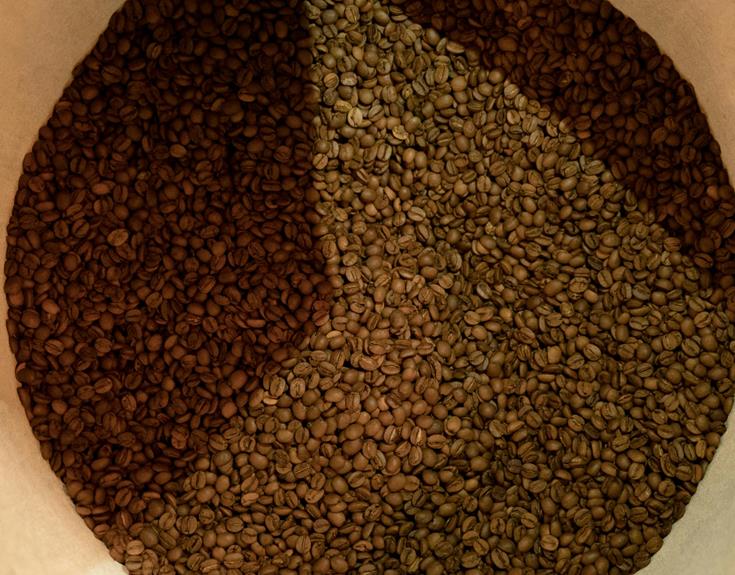
When we think about coffee, it's easy to overlook the intricate process behind that rich cup we enjoy. Coffee roasting transforms green beans into the aromatic wonders we crave, but there's so much more happening beneath the surface. From the initial drying to the final crack, each step plays a significant role in developing flavor and aroma. As we explore this process together, we'll uncover the science and artistry that defines roasting, and soon we'll discover how these elements come together to influence our daily brew. What happens at each stage might surprise us.
Understanding Coffee Beans
When we plunge into the world of coffee, we uncover the intricate nature of coffee beans, the heart of our beloved brew.
The bean origin influences processing methods, shaping unique flavor profiles and aroma compounds.
Through cupping practices, we explore freshness duration and ideal storage techniques.
Understanding brewing methods and debunking roasting myths helps us tailor our taste preferences for the perfect cup.
The Roasting Process
As we commence the roasting process, we must first prepare our green beans, setting the stage for the transformation ahead.
Each roasting stage plays a vital role in developing the rich flavors and aromas we crave in our coffee.
Green Bean Preparation
Preparing green beans for roasting is an essential step that greatly impacts the flavor and quality of the final brew.
Through careful bean sourcing and meticulous preparation techniques, we guarantee that each batch starts with the best possible foundation.
We inspect for defects, sort by size, and remove any foreign materials, setting the stage for a truly remarkable coffee experience.
Roasting Stages Explained
The roasting process unfolds in distinct stages, each essential for developing the rich flavors and aromas we cherish in coffee.
From the initial drying phase to the transformative first crack, each stage reflects roasting history and regional differences.
As we navigate these stages, we witness how heat alters the beans, revealing unique characteristics that define our beloved brews.
Flavor Development Factors
In the intricate dance of coffee roasting, flavor development hinges on several critical factors that influence the final cup we savor.
Roasting temperature impacts aroma compounds and acidity balance, while grind size and brewing method shape our sweetness profile and body texture.
Origin influence and aging effects add unique flavor nuances, creating a symphony that captivates our senses and enhances our coffee experience.
Roasting Levels Explained
As we explore roasting levels, we uncover how each stage transforms the beans and their inherent flavors.
Light roasts often boast vibrant acidity and floral notes, while medium roasts strike a balance, offering a fuller body and rich sweetness.
In contrast, dark roasts reveal bold, smoky flavors that can dominate, inviting us to appreciate the complexity in every cup.
Light Roast Characteristics
When we explore light roast characteristics, it's essential to appreciate the nuances that set this roasting level apart.
A light roast showcases a vibrant flavor profile with pronounced acidity balance and distinct aroma notes, often reflecting the coffee's origin influence.
With higher caffeine content, it pairs well with various brewing methods, offering unique tasting notes that entice our senses with every sip.
Medium Roast Profile
Exploring the medium roast profile reveals a harmonious balance between the vibrant acidity of light roasts and the deeper, richer flavors found in darker roasts.
The medium roast benefits include:
- A well-rounded flavor
- Enhanced sweetness
- Rich, inviting aroma
- Versatility in brewing
- Smooth mouthfeel
This profile captures the essence of coffee, making it a favorite among enthusiasts.
Dark Roast Flavor
The deep, dark allure of a dark roast captivates our senses with its bold, smoky flavors and low acidity.
It's essential to understand how bitterness balance plays a role, as those intense smoky notes often come paired with rich chocolate undertones.
We must debunk roasting myths that suggest dark roasts are purely bitter; their complexity reveals a harmonious depth that enchants coffee lovers everywhere.
Chemical Changes During Roasting
How do the intricate chemical transformations during the coffee roasting process shape the flavors we love?
- Maillard reaction enhances flavor compounds
- Caramelization process adds sweetness
- Color changes signal roast development
- Acidity balance influences taste
- Aroma compounds create enticing fragrances
Through heat transfer, roast kinetics trigger these essential chemical transformations, resulting in rich smoke production and complex flavor profiles that excite our senses.
Equipment Used for Roasting
Understanding the intricate chemical transformations during roasting naturally leads us to the tools that facilitate this art.
The right roasting equipment, including advanced coffee machines, allows precise roasting controls and ideal heat sources for varying batch sizes. Effective cooling systems are essential, while adhering to safety measures guarantees a secure environment.
Regular maintenance tips keep our equipment in top shape, enhancing our roasting experience.
Techniques for Roasting Coffee
When we explore the techniques for roasting coffee, it becomes evident that each method brings its own unique qualities to the beans.
The choice of roasting techniques profoundly impacts the resulting flavor profiles.
Here are some key methods we often consider:
- Light Roast
- Medium Roast
- Dark Roast
- French Roast
- Single-Origin Roasting
Each technique allows us to discover different nuances and depths in our beloved coffee.
The Impact of Roasting on Flavor
The roasting process greatly influences our coffee's flavor, transforming green beans into aromatic masterpieces.
Through careful roasting, we unveil flavor complexity, revealing notes of chocolate, fruit, and spices.
This transformation not only heightens our coffee's aroma enhancement but also creates a sensory experience that captivates our taste buds.
Each roast profile shapes the final cup, making our coffee journey uniquely delightful.
Home vs. Commercial Roasting
Roasting coffee at home versus in a commercial setting presents distinct experiences and outcomes that can greatly affect our enjoyment of the final brew.
Consider these factors:
- Cost comparison of equipment and beans
- Flavor consistency in larger batches
- Skill levels required for mastery
- Batch sizes we can manage
- Environmental impact of sourcing beans
Both approaches hold unique merits, shaping our coffee journey.
Tips for Perfect Roasting
Achieving the perfect roast involves a blend of science and art that we can master with practice and attention to detail. Here are some roasting tips to help us find that ideal flavor balance:
| Roast Level | Flavor Profile | Ideal Brewing Method |
|---|---|---|
| Light | Fruity & Floral | Pour Over |
| Medium | Balanced | Drip Coffee |
| Dark | Bold & Bitter | Espresso |
| City | Sweet | French Press |
| Full City | Rich & Complex | Cold Brew |
Conclusion
In exploring the intricacies of coffee roasting, we've uncovered the delicate balance between science and art that shapes each cup we enjoy. From selecting the right beans to mastering the roasting process, every decision influences the final flavor profile. As we embrace the nuances of roasting levels and chemical transformations, we deepen our appreciation for this craft. Whether at home or in a commercial setting, the journey of roasting invites us to savor not just coffee, but the passion behind it.