Will Decaf Coffee Keep You Awake? A Sleep-Focused Examination
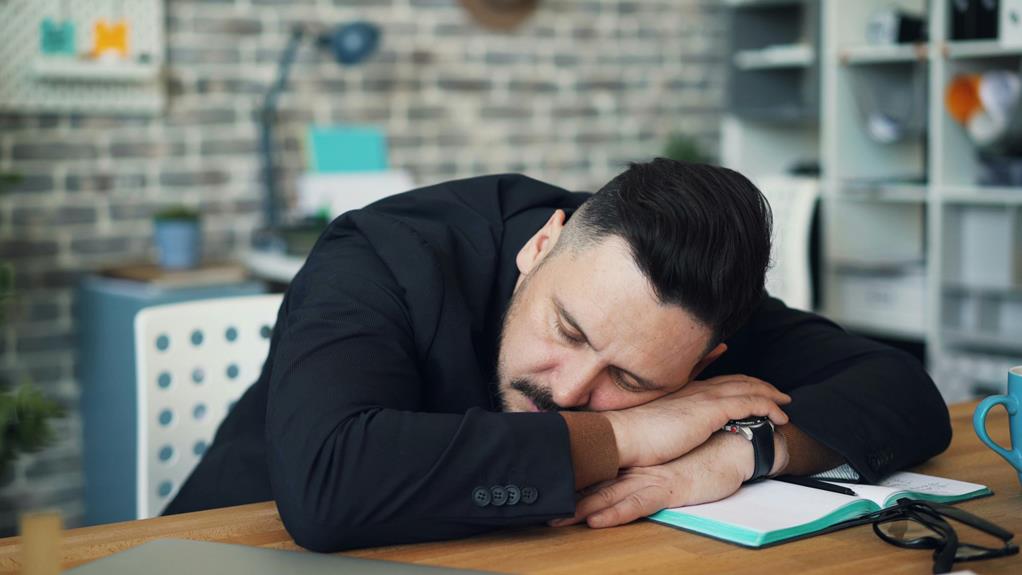
As we explore the intriguing question of whether decaf coffee can keep us awake, it's essential to take into account not just its minimal caffeine content but also our individual responses and the psychological factors that play a role. Even with only 1-2% of the caffeine found in regular coffee, some of us might still experience restlessness. What's even more fascinating is how the very act of sipping decaf could trigger alertness for some individuals. So, could our habits and preferences be influencing our sleep in unexpected ways? Let's uncover the nuances behind this common beverage.
Understanding Decaf Coffee
When we think about decaf coffee, it's essential to recognize that it's not completely caffeine-free; rather, it typically contains about 1 to 2% of the caffeine found in regular coffee.
Many decaf misconceptions persist, leading us to overlook its benefits, such as reduced acidity and lower caffeine intake.
Understanding these facts helps us make informed decisions about our coffee consumption and sleep quality.
Caffeine Content Comparison
Decaf coffee offers a considerably lower caffeine content compared to regular coffee, making it an important option for those sensitive to caffeine's effects.
Let's clarify some common decaf misconceptions and caffeine myths:
- Decaf isn't caffeine-free.
- Caffeine content varies by brand.
- Decaf can still affect sleep.
- It's a safer choice for late-day consumption.
Understanding these points helps us make informed choices about our coffee habits.
Effects on Sleep Patterns
The relationship between decaf coffee and our sleep patterns is more nuanced than many realize. While it lacks significant caffeine, we still face potential sleep disruptions due to dietary influences and stress management. Incorporating relaxation techniques into our evening rituals can enhance sleep hygiene, improve melatonin production, and stabilize bedtime routines, particularly when managing light exposure during the night.
| Factor | Impact on Sleep |
|---|---|
| Caffeine Withdrawal | Can disrupt sleep initially |
| Evening Rituals | Promotes relaxation |
| Light Exposure | Affects melatonin production |
Psychological Factors at Play
Understanding the psychological factors influencing our sleep can greatly enhance our nighttime routine.
Consider these elements:
- Cognitive associations with coffee can trigger alertness.
- Placebo effects might lead us to feel more awake after decaf.
- Emotional triggers linked to our coffee rituals can impact relaxation.
- Cultural perceptions around caffeine affect our stress response and habit formation.
These factors shape our sleep experience notably.
The Role of Individual Tolerance
How does our individual tolerance to caffeine affect our sleep quality?
Our tolerance levels can greatly influence how caffeine impacts us, revealing individual differences in sensitivity.
Some of us may metabolize caffeine quickly, experiencing minimal effects on sleep, while others might find that even decaf triggers restlessness.
Understanding these variations helps us make informed choices about coffee consumption and its potential impact on our sleep.
Other Ingredients in Decaf
While individual tolerance to caffeine plays a significant role in our sleep quality, decaf coffee isn't just about the reduced caffeine content.
Other ingredients can impact our experience. Consider these factors:
- Decaf additives
- Flavor enhancers
- Acidity levels
- Sweeteners
These elements may affect not only taste but also our overall well-being and sleep, making it essential to evaluate what's in our cup.
Timing of Consumption
When we consider the timing of decaf coffee consumption, we must examine the ideal drinking times and how they can influence our sleep quality.
For many, having decaf in the evening might seem harmless, but individual sensitivity to caffeine can vary greatly.
Ideal Drinking Times
Many people may not realize that the timing of decaf coffee consumption can considerably influence sleep quality.
To optimize our decaf rituals, we should consider:
- Morning enjoyment for a smooth start.
- Afternoon indulgence to curb cravings.
- Pre-dinner sipping to enhance relaxation.
- Avoiding late-night habits that disrupt sleep.
Evening vs. Morning
Typically, we find that the timing of our decaf coffee consumption can greatly impact our overall sleep patterns.
When we incorporate decaf into our evening rituals, it might interfere with our ability to wind down.
Conversely, enjoying it as part of our morning habits can provide a comforting start without disrupting our sleep later on.
Timing matters considerably for ideal rest.
Personal Sensitivity Variations
Individual sensitivity to caffeine can vary dramatically, influencing how decaf coffee affects our sleep.
Key factors include:
- Personal thresholds for caffeine sensitivity.
- Individual metabolism rates.
- Timing of consumption relative to sleep.
- Overall caffeine consumption throughout the day.
Understanding these variations helps us make informed choices about decaf coffee and its potential impact on our rest.
Recommendations for Nighttime Drinking
As we consider our choices for nighttime drinking, it's essential to focus on ideal timing for consumption.
We can also explore herbal alternatives that may enhance our relaxation without compromising sleep quality.
Optimal Timing for Consumption
Many of us enjoy a warm cup of decaf coffee in the evening, but knowing the best time to indulge can enhance our sleep quality.
Here are some timing strategies for our decaf rituals:
- Limit consumption to two hours before bedtime.
- Opt for decaf during dinner.
- Avoid post-dinner caffeine altogether.
- Pay attention to our body's response.
These strategies can help us enjoy decaf without sacrificing sleep.
Herbal Alternatives to Consider
Frequently, we seek alternatives to decaf coffee that can further promote relaxation and support a restful night's sleep. Herbal teas like chamomile, known for its calming benefits, valerian root, and passionflower effects, can be excellent choices. Additionally, lavender properties and lemon balm support tranquility. Here's a quick reference:
| Herbal Tea | Key Benefits |
|---|---|
| Chamomile | Relaxation |
| Valerian Root | Sleep induction |
| Passionflower | Anxiety reduction |
Effects on Sleep Quality
In the evening, our choice of beverages can greatly impact sleep quality.
We should consider:
- Identifying insomnia triggers in our drinks.
- Incorporating relaxation techniques into bedtime routines.
- Acknowledging lifestyle influences on dietary habits.
- Managing environmental factors to enhance sleep cycles.
Conclusion
In summary, while decaf coffee contains minimal caffeine, it's clear that individual tolerance and psychological factors can influence our sleep quality. We need to reflect on how our bodies react and the timing of our consumption. For some, the ritual of drinking coffee might stimulate alertness regardless of caffeine levels. By being mindful of these factors, we can enjoy our decaf without sacrificing a good night's sleep. Ultimately, understanding our unique responses is key to making informed choices.